Mid Arun Valley
Environmental Survey (MAVES)
maintains this website which incorporates survey data from
Arun Countryside Trust CIO - formerly Registered Charity number 1180078, now dissolved
Arun Countryside Trust and MAVES
In 2018, recognizing the importance and the at-risk situation of our Arun countryside' rich natural and cultural heritage, MAVES gained registered charity status under the name Arun Countryside Trust. ACT CIO, through the professional and volunteer survey work we promoted, had our area recognized by Natural England as of international importance for biodiversity, it was decided to leave operation at the Charitable Incorporated Organization scale of work to charities with national support, so, ACT CIO was dissolved. MAVES could however revive with a similar mission if needed to address new threats or opportunities.
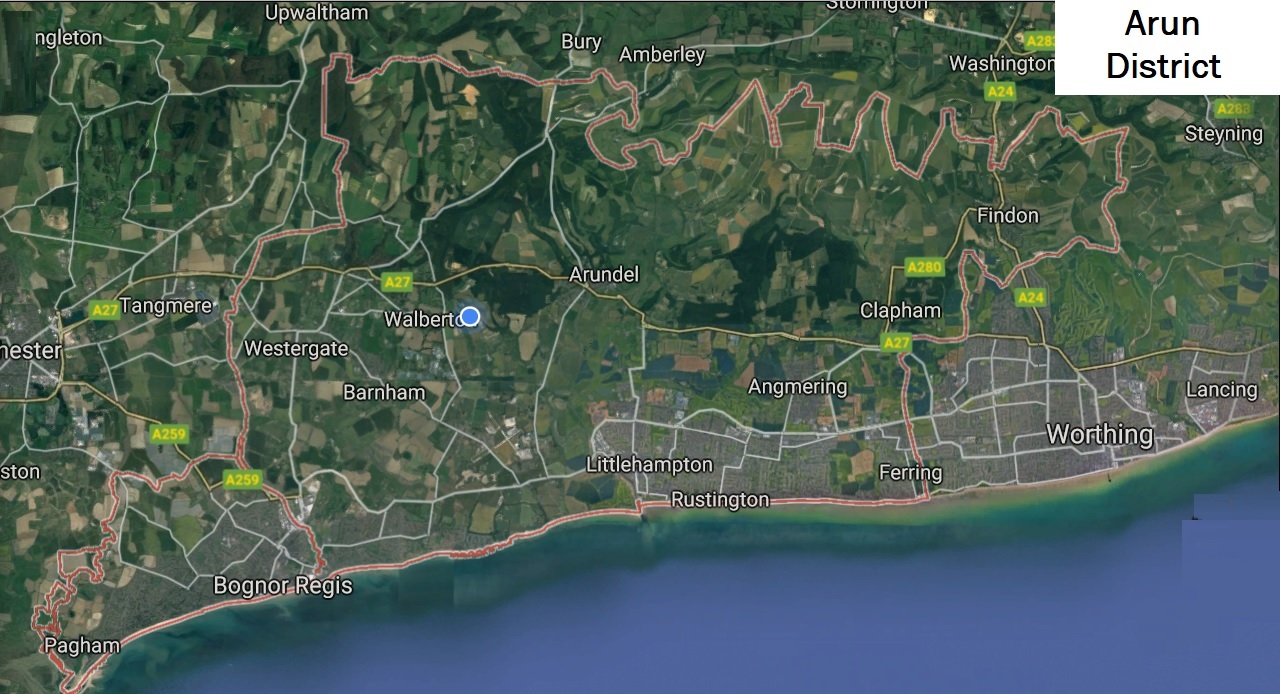
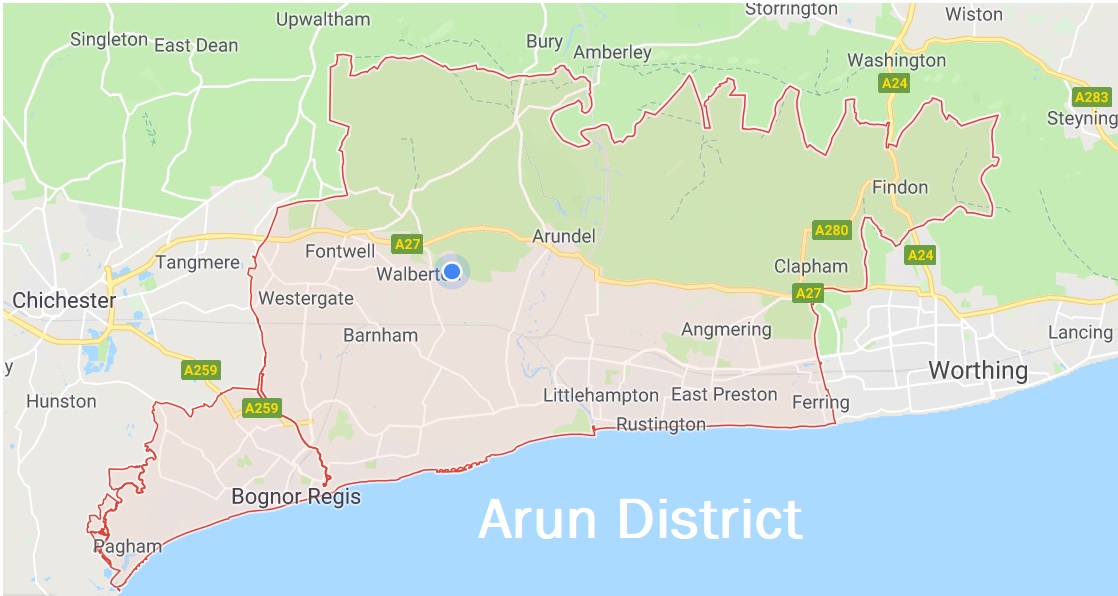
Arun means many things to many people. Here is a map of the District, with Walberton, where ACT had its beginnings, in blue:
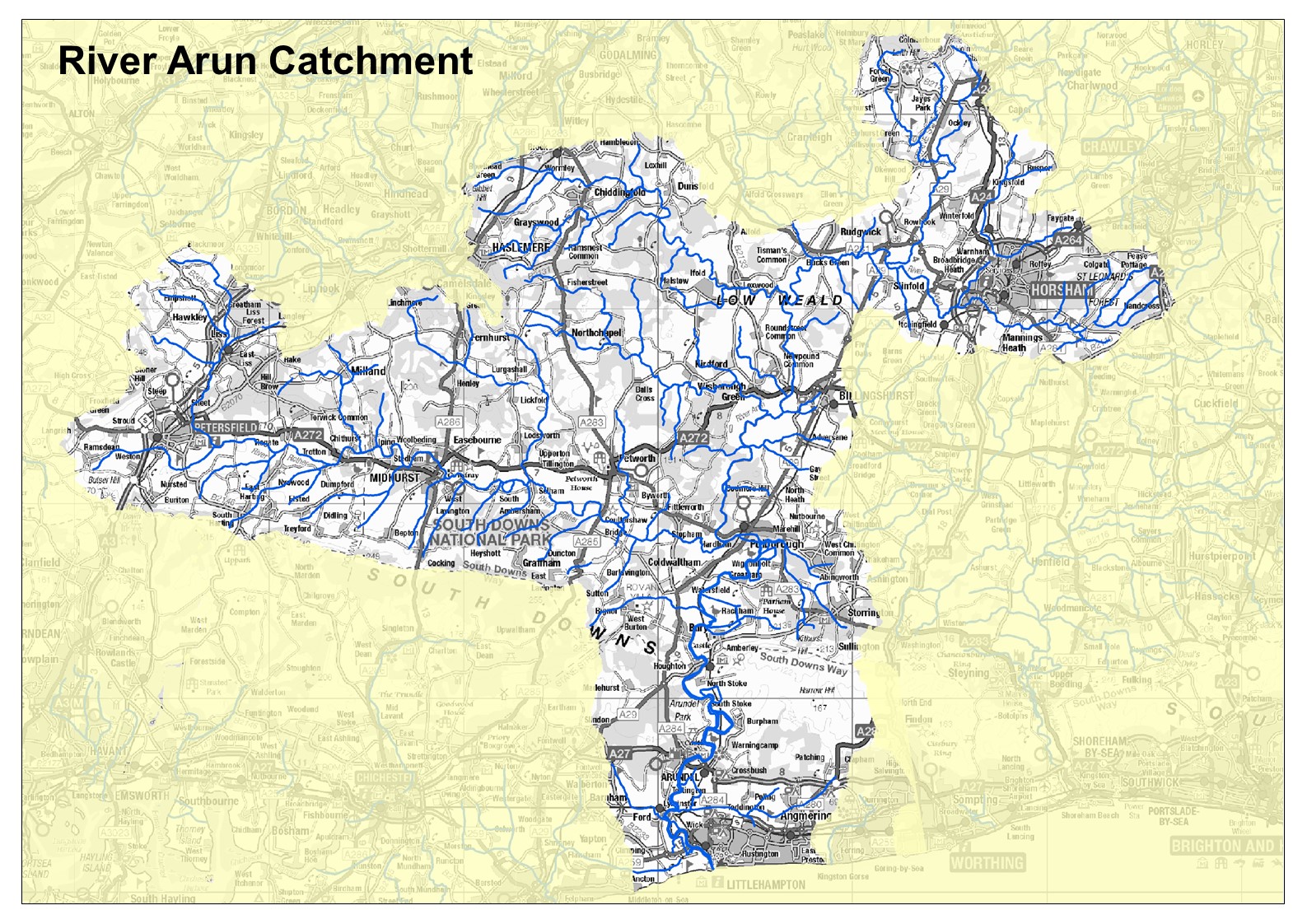
From a connected wildlife habitats point of view, Arun stretches the wings of its river catchment beyond the District into a deeper and wider countryside:
Other important maps for understanding the life of our area, as influenced by its water geography, are the Arun & Western Streams Catchment Map, and the Lower Tidal River Arun Strategy Map.
That's where we are. But how and why did we come to form a charity for this countryside?
ACT arose by stages from Walberton Action Group's 2003-2006 Parish Landscape and Wildlife Enhancement Project - click here to read the report. Local interest in studying and conserving the landscape grew, and in 2014 MAVES was conceived, the Mid Arun Valley Environmental Survey group. Our main study and work area is sometimes thought of as part of the 'Lower Arun Valley', but we call it the "Mid Arun Valley" because it lies in between the coastal estuary plain south of the railway, and, north of the A27, the upstream Arun-Rother area with its many wildlife designated sites (SSSI, SPA, SAC, RAMSAR).
The area between Walberton and Lyminster, with an amazing diversity of habitats in Binsted and beyond, turned out to be the wildlife nucleus of the Arun valley. This is also the centre of the Arun District, and the heart of the Arun & Western Streams catchment. Yet very little was known about it, by experts or by the public.
We engaged Jackie Thompson of Wildlife Splash Ltd as our ecological consultant. With Jackie's help, we began commissioning surveys and learning about this special place and what it might take to look after it. Ian Powell, our licensed dormouse surveyor, has also played a key role in guiding a succession of ecological experts through the area, and training others. Julia Plumstead, a Binsted resident, early took on the chairing of the MAVES Committee.
We were excited to learn about the wealth of wildlife supported by our mix of dip slope and coastal plain, river and stream valleys, ancient wet woodland and hedgerows, arable and pasture, fenland grazing marsh and watermeadows, all in a medieval village landscape. Who knew before that we have 14 species of bats here?
With the help of National Park Ranger Simon Mockford and the South Downs National Park Volunteers, we helped landowners to look after their landscape - including laying the hedges which were planted by that same Walberton Action Group project, from which we began. New volunteers would be welcome to take forward this kind of MAVES work in the future.
The MAVES Committee delivered our community environmental work. Julia Plumstead served as Chair, Tony Elphick as Treasurer.
The Trustees of ACT CIO are Camilla Lambert (Chair), Tony Whitbread, Julia Plumstead, Bill Treves, Caroline Powell, Mike Tristram, David Macpherson.
Our Consultant Ecologist is Jackie Thompson . Ian Powell carried out extraordinary work in dormouse surveying and facilitating other survey work.
Your Personal Data - GDPR Privacy Policy
Your privacy matters to us. Click here to read our Privacy Policy.
If you have concerns or complaints, please follow our complaints policy.
